What Are the Most Common Side Effects of Laser Hair Removal?
Laser hair removal has become a popular method of permanent hair removal for....
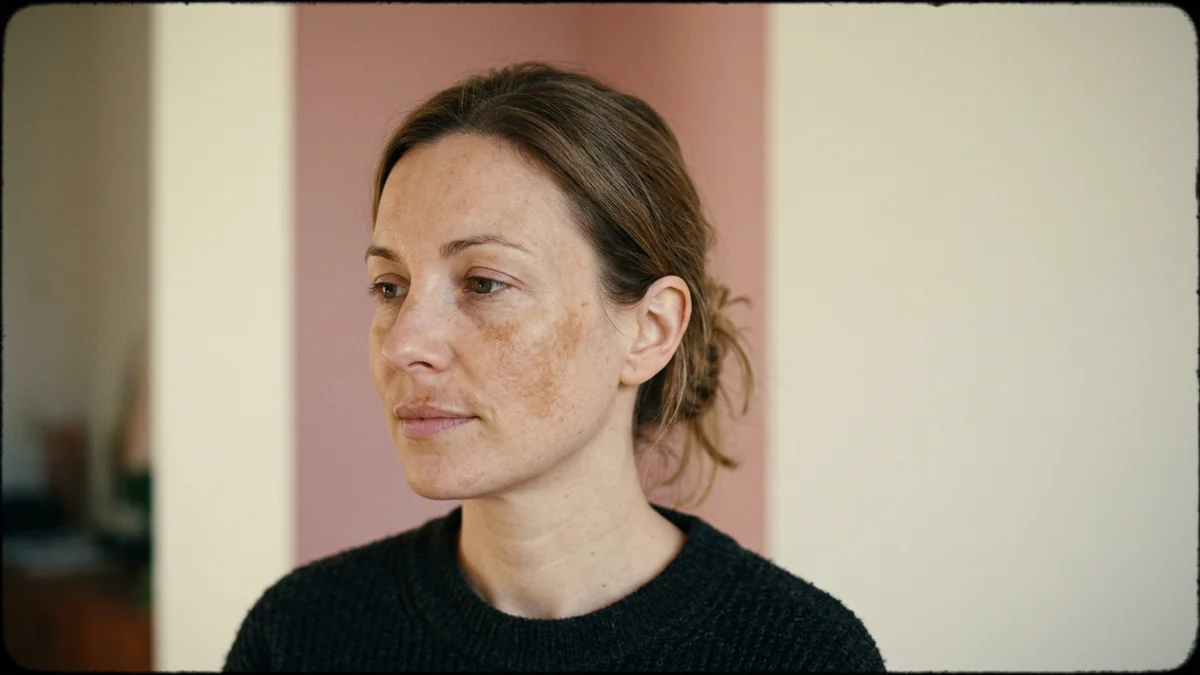
Read the postA brownish mask that settles over the cheekbones, the forehead and the upper lip during pregnancy, and then stays. Many women expect to see it leave along with the hormones, in the months following delivery. For others, it holds on. Melasma is in fact described as a chronic and recurring condition, with no curative treatment to date, whose manifestations we seek to control14. That is what explains why these spots are sometimes worked on years after the birth.
Because they aren’t located in the same place. A classic sun spot, a lentigo, is pigment concentrated in the superficial layers of the skin. Melasma, for its part, comes with an increased quantity of melanin both in the epidermis and in the dermis, the deeper layer8. And the issue isn’t limited to melanocytes, those cells that manufacture pigment: skin affected by melasma shows alterations of the epidermis, of the basement membrane that separates it from the dermis, and of the superficial dermis, the whole sustaining the overproduction of pigment12.
That is the mechanical reason why these spots resist. You can remove pigment at the surface; the machinery that produces it remains underneath, ready to start up again.
Three families of triggers combine in people who are genetically predisposed: solar radiation, hormonal factors including pregnancy, and skin inflammation12. The trio explains why pregnancy so often lights the fuse, and why the skin stays reactive long afterward.
The question comes up constantly, and the honest answer is that it’s being asked backwards. Peels, lasers and microneedling are among the recognized strategies for controlling and preventing melasma14, and a review of melasma therapies puts forward the multimodal approach, which combines several levers, as the most effective13. Pigmentation treatments also require time before showing a visible effect15.
In practical terms, at Dermagyms, we begin by analyzing the skin with the Observ 520x in order to observe what is happening beneath the surface and isn’t visible to the naked eye. We look in particular at the pigmentary and inflammatory field, but also at the possible presence of a vascular component, which can contribute to sustaining melasma. This analysis makes it possible to adjust the protocol rather than applying the same treatment to every kind of pigmentation.
Our approach is generally multimodal and often rests on a combination of the Clarity II and the Hollywood Spectra, used according to different modalities and different parameters within a precise protocol developed by the medical direction. In-clinic treatments are also combined with an at-home protocol that may include, among other things, tranexamic acid, hydroquinone when it is indicated, as well as specialized sun protection. The number of sessions, the technologies used and the maintenance rhythm vary from person to person and according to what the skin analysis reveals.
A useful clarification: at Dermagyms, we do not use chemical peels to treat melasma, in order to avoid provoking inflammation that could sustain the pigmentation. IPL phototherapy, for intense pulsed light, is not the option retained for this type of pigmentation either. What sets melasma apart from other spots also changes what we apply to it.
How do I know whether my spots warrant an esthetic treatment?
By looking at what they are, before choosing anything at all. An isolated sun spot on the cheekbone, marks left by acne and post-pregnancy melasma don’t call for the same parameters, even if they look alike in the mirror. That’s what an analysis session with the Observ 520x is for: different lighting modes, including ultraviolet, reveal how the pigment is distributed beneath the surface, and the team interprets what it sees. A skin condition that falls outside the esthetic field is referred to the team’s physician.
A consumer light device used on its own in front of the mirror allows neither for dosing the energy according to phototype, nor for knowing at what depth the pigment sits. Yet on a pigmentation that lives partly beneath the surface, those two settings are what guides everything else, and they call for a trained eye and a professional device.
That said, one at-home step counts, and it’s the most ordinary one: sun protection. In a consensus conducted among 601 specialists and then an expert panel, broad-spectrum photoprotection emerged as the best-rated measure across the full set of clinical scenarios examined, melasma included, with an advantage for tinted formulas that also filter visible light2. The same tinted and mineral formulas are recommended during pregnancy, a period when the skin responds differently to UV rays and when sunscreen use generally remains low4. That panel also set aside certain common anti-aging actives during the postpartum period and breastfeeding2.
These spots resist because they aren’t merely a deposit of colour at the surface: this is skin whose deeper organization sustains the production of pigment12. They therefore don’t fade the way a sun spot does, and they aren’t treated with the same tools. What works looks more like control over time than erasure: identifying where the pigment sits, choosing treatments for which melasma is genuinely among the indications, and keeping up photoprotection all year long, including during the months when the Montreal sun keeps a low profile.
—
✍️ Article written by Edouard
Owner of Dermagyms, a medical aesthetic clinic in Montreal.
At Dermagyms, every treatment is personalized based on the skin analysis, the skin type and the client’s goals, under medical supervision.
⭐ 4.9★ on Google | 10+ years of experience
Book your free consultation, including an advanced skin analysis with the Observ 520x.
Laser hair removal has become a popular method of permanent hair removal for....
Read the postAfter 40, the skin changes more deeply. This article explains why creams may no ....
Read the postA closer look at how Demodex mites may influence rosacea, persistent redness....
Read the postHave a question? Book your free consultation or call us directly!
 (514) 419-1144